
When Hurricane Helene slammed into Florida as a Category 4 storm in September 2024, the immediate dangers were obvious: 140 mph winds, catastrophic storm surge, and life-threatening flooding. But for many people, the danger didn’t end when the storm passed. The National Hurricane Center ultimately documented 176 direct fatalities and at least 71 indirect fatalities linked to Helene—including deaths from medical issues, heart attacks, car accidents, and incidents during post-storm cleanup. In all, 250 deaths in the United States were attributed to the storm.
The numbers illustrate a reality that is often overlooked in the aftermath of a disaster: disaster after disaster, some of the greatest dangers can emerge after the worst of the storm is over.
Experience from the field of emergency relief shows, disaster after disaster, that an emergency is more than the natural phenomenon that caused it. The dangers don’t necessarily end when the hurricane, wildfire, flood, tornado, or other event has passed.
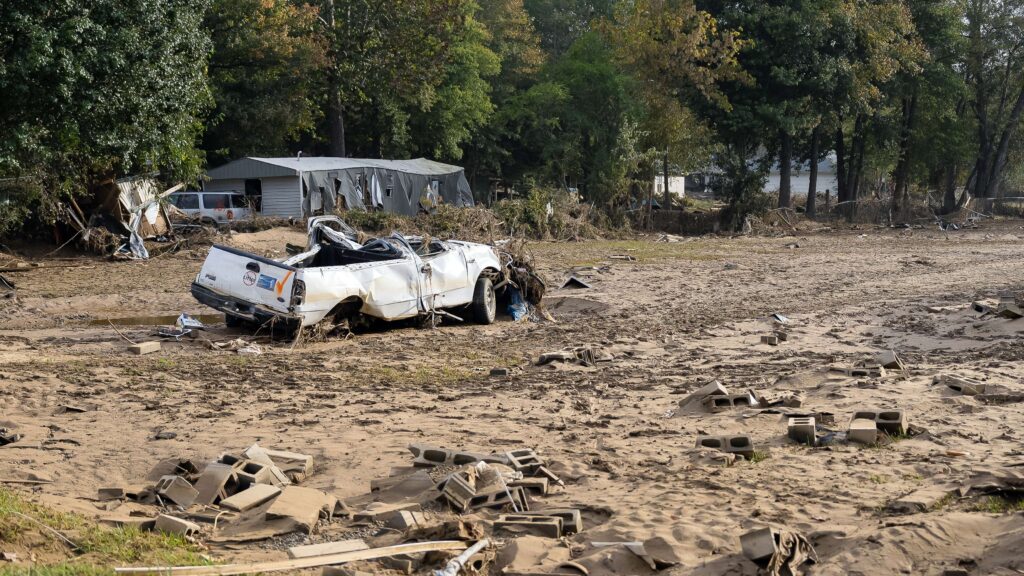
These fatalities are known as indirect deaths and they generally result from carbon monoxide poisoning, fires, electrocutions, and heart attacks. Indirect deaths can feel especially tragic because they often seem avoidable, and the victims are typically just people trying to recover from a devastating disaster.
These tragedies account for an incredibly high percentage of disaster fatalities, too. According to the American Meteorological Society, between 2013 and 2022 there was a near even split between direct deaths from a hurricane, and indirect fatalities. Because major hurricane landfalls leave communities very vulnerable and often with long-duration, widespread power outages, they tend to result in higher numbers of indirect deaths than other storms. Of the indirect deaths, 57% of the victims were over the age of 60.
“Indirect deaths are invariably tied to the geographic, economic, and social conditions of the disaster-affected community,” explained Team Rubicon Greyshirt Corey Eide. For example, rural populations with already poor access to infrastructure and healthcare tend to receive less urgent relief after a disaster than their counterparts in developed areas, which leaves them exposed to more secondary hazards for a longer period. And, when people are left without power for weeks, as has been the case in Louisiana’s Lake Charles area, it’s easy for heat-related illness and carbon monoxide poisonings to pile up.
The Hazards That Follow Disasters
Indirect deaths tend to get overshadowed by the more dramatic aspects of a disaster. And yet, the hazards that follow a disaster can be just as real—and sometimes just as deadly.
For those in disaster’s path, preparing specifically for the threats that so often lead to indirect deaths during or after a disaster is nearly impossible as they are so ubiquitous and intertwined with our daily lives. What people can do, however, is build awareness of the hazards that exist or could exist, and develop safe behaviors for any disaster scenario.
In the wake of a crisis or emergency, so many secondary hazards put disaster survivors at a secondary risk. Here are some of the most frequent causes of indirect death after a disaster—and how to avoid them:
Carbon Monoxide Poisoning Risks After a Disaster
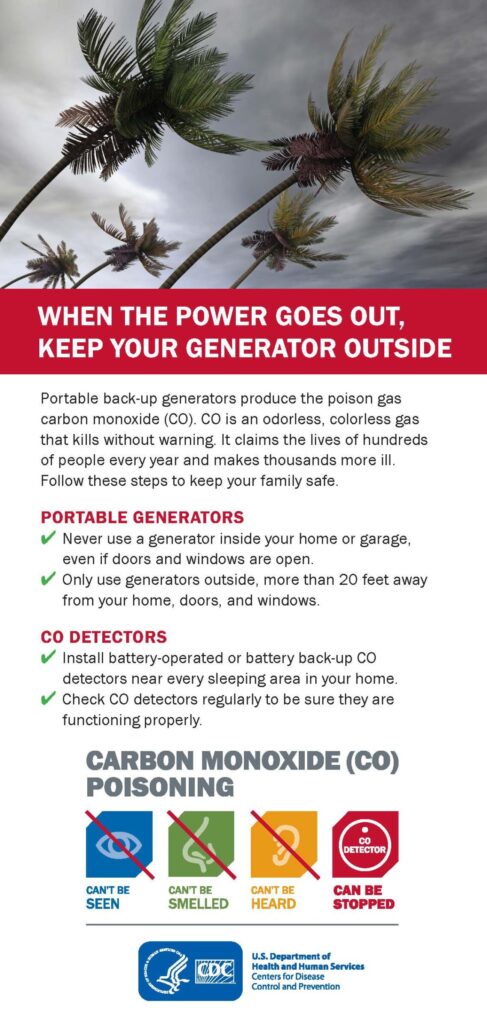
Portable generators may seem like a lifesaver after a disaster, but they also produce carbon monoxide (CO), an odorless, colorless gas that can cause sudden illness and death. According to a 2022 Consumer Product Safety Report, more than 100 people in the U.S. die from carbon monoxide poisoning from portable electric generators every year. The CDC’s estimates are even more grim.
After Hurricane Helene, three people in Georgia died from carbon monoxide poisoning associated with a generator, underscoring how quickly a power outage can create a second, deadly hazard.
To avoid the danger, portable electric generators should never be used inside a house, garage, crawlspace or anywhere near an enclosed area—all of which will expose occupants to carbon monoxide poisoning.
Even when using a generator outdoors, safety is essential, says the CDC: always operate outdoor generators more than 20 feet away from your home, doors, and windows. Always also follow the instructions that come with the generator and anyone who begins to feel sick, dizzy, or weak while using one should get to fresh air immediately.
Another risk for carbon monoxide poisoning after a disaster is using a portable grill indoors. Never cook doors or attempt to heat a home with a portable grill as they can lead to carbon monoxide poisonings and other crises.
The Dangers of Power Outages in a Disaster
Disasters like hurricanes, tornadoes, and winter storms can take down the electrical grid for not just days but for weeks. Without electricty, food can rot and lifesaving devices and medications can be rendereed useless.
To avoid a second disaster after a power outage disaster, individuals should have alternate plans for refrigerating medicines—even if that means using a cooler—or for power-dependent medical devices. Those who use an oxygen concentrator that also runs on battery power, for example, should always have a supply of fresh and fully-charged batteries to get them through at least a few days. CPAP users should also have a back up or portable battery pack available.
Anyone using candles to light a home during a power outage should keep them away from curtains, wall hangings, and other flammable materials.
And, everyone should have smoke and carbon monoxide detectors installed on every floor of the home. Checking these regularly will ensure they continue working during a disaster, even if the power goes out.
Hazards in the Disaster Zone
In the days after Hurricane Laura, one young man was electrocuted while standing too close to downed power lines.
Disaster sites can be littered with debris and hard to navigate, but every survivor should be on high alert for washed out roads, downed power lines, partially fallen trees or limbs, standing water, contaminated buildings, gas leaks, broken glass, and damaged electrical wiring created by a disaster. All health and safety issues to be reported to local authorities.
The Dangers of Exposure to Extreme Heat
For years, the CDC said there were, on average, 702 heat-related deaths in the U.S. each year. Then, in 2024 alone, a total of 2,391 heat-related deaths were reported in the United States, according to the CDC.
Public health advocates think those deaths are being under-reported. Analysis done by NPR in conjunction with Boston University estimates that some 9,000 deaths each year in the U.S. can be attributed to heat.
To avoid joining this terrible statistic, disaster relief volunteers urge anyone impacted by heat to seek out a community cooling center, which will be powered by generators in the wake of a disaster.
In addition disaster survivors in hot areas should drink plenty of fluids and stay in the shade whenever possible. And when the heat spikes and the power is out, Greyshirst suggest using reflectors, such as aluminum foil-covered carboard, in home windows.
Exposure to Extreme Cold During or After a Disaster
While deaths linked to heat exposure have surged more than 50% over the past two decades, researchers say that deaths due to cold weather have also climbed. In the case of cold, by about 7% between 2010 and 2020 compared to the previous decade.
While it’s obviously best to limit time outside, one should wear multiple layers of warm clothing when they do go out, sometimes this can’t be avoided in a disaster. Those with heart disease or at risk for a heart attack should avoid strenuous work like shoveling snow.
Drivers in colder climates should keep an emergency kit in their car that includes some snacks, at least one blanket, extra cold weather gear and, ideally a shovel. If stranded in a car, stay inside whenever possible and crack the window slightly to avoid carbon monoxide poisoning when the car is running.
Routinely examine yourself and others for signs of hypothermia or frostbite.
Avoid the Disaster After a Disaster
A disaster doesn’t necessarily end when the winds die down, the floodwaters recede, or the fire is contained. Disaster after disaster, the days that follow can bring their own dangerous—and sometimes deadly—hazards. But knowing what to expect can make a difference. By staying alert, following basic safety precautions, and preparing for the conditions that can linger after an emergency, survivors can reduce their risk and focus on what comes next: getting themselves, their families, and their communities safely on the road to recovery.