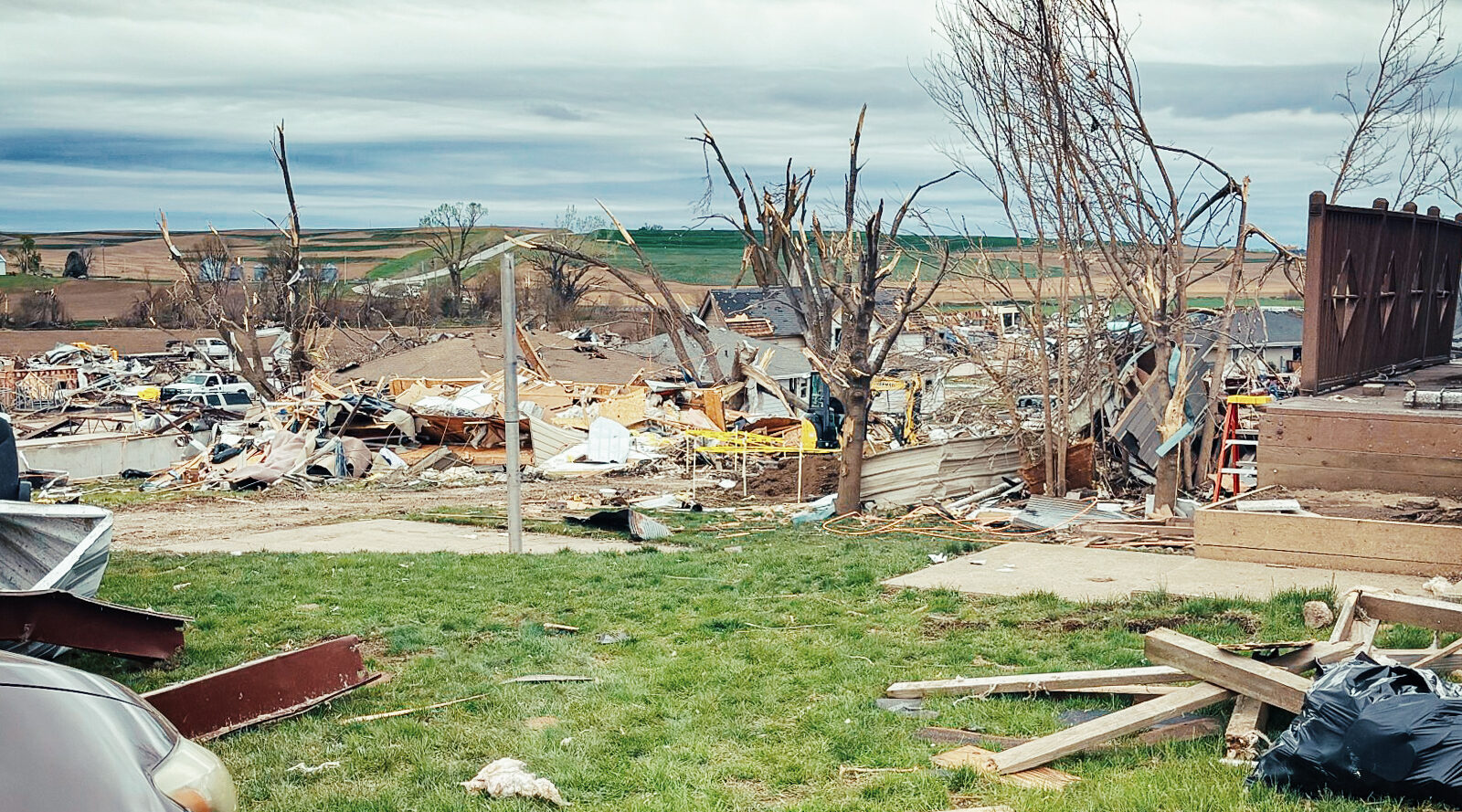
As spring storm season brings a heightened risk of severe weather—including twisters—across much of the United States, emergency officials and disaster responders are urging residents to understand one of the most important distinctions in tornado safety: the difference between a tornado watch vs warning.
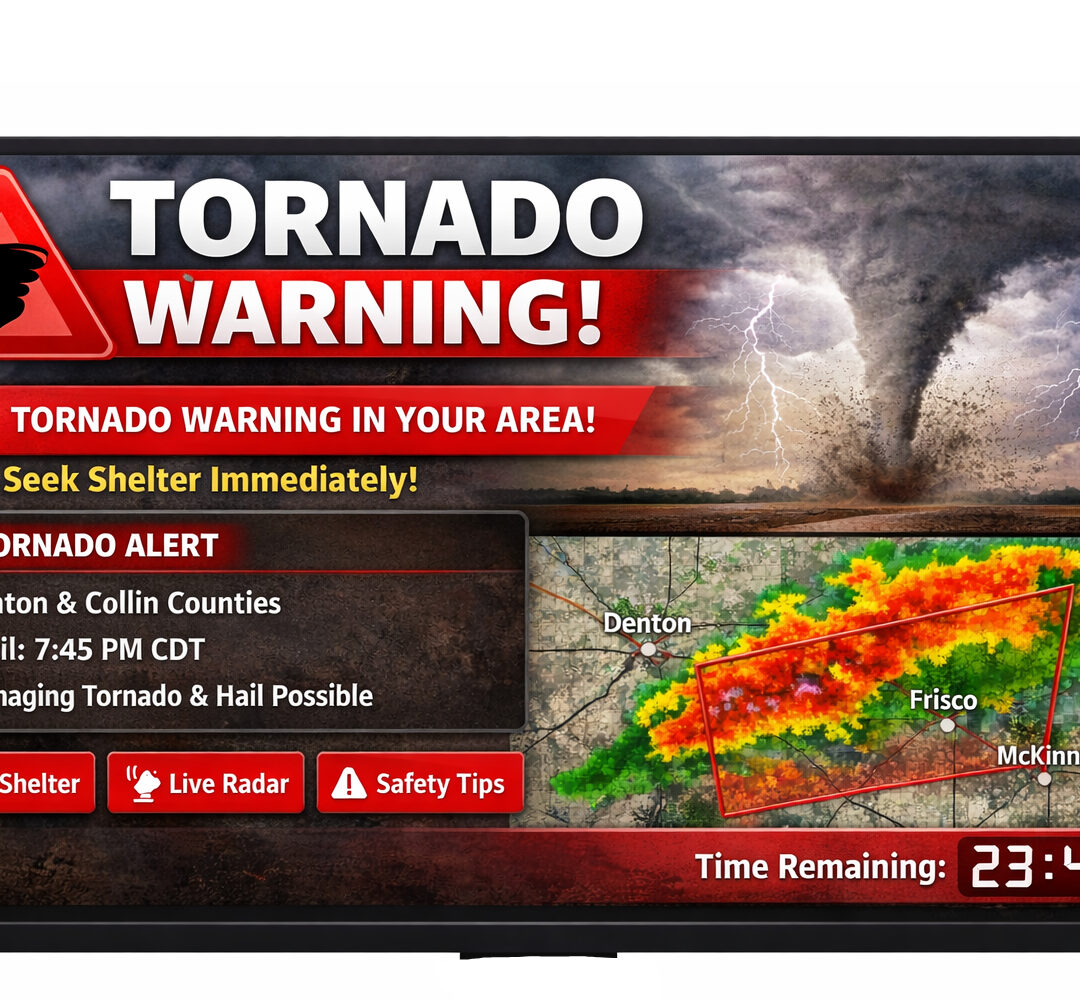
The two alerts are often confused, but they signal very different levels of danger. A tornado watch means conditions are favorable for tornadoes to form. A tornado warning means a tornado has been spotted or indicated by radar, and people in the affected area should take shelter immediately.
Tornado Watch vs Warning: The Quick Answer
Tornado watch: Conditions are favorable for tornadoes.
Tornado warning: A tornado has been spotted or indicated by radar.
For communities in tornado-prone regions, understanding tornado watch vs warning is more than weather terminology—it’s critical information that can save lives when minutes matter. Here’s what each alert means—and what to do when one is issued.
What Is a Tornado Watch?
A tornado watch means weather conditions are favorable for tornadoes and severe thunderstorms to develop in and near the watch area.
A tornado watch does not mean a tornado is currently happening. Instead, it signals that tornadoes are possible and that people should stay alert. Tornado watches are typically issued for larger geographic areas and may remain in effect for several hours, giving residents time to prepare in case storms intensify.
When thinking about a tornado watch vs warning, a watch is the earlier alert: a sign to get ready.
What To Do During a Tornado Watch: If a tornado watch is issued for your area, you should monitor local weather updates and emergency alerts, review your shelter plan with everyone in your household, and bring pets inside and keep leashes or carriers nearby. For better preparedness, anyone in the tornado watch area should also charge phones and portable power banks, gather flashlights, medications, shoes, and other essentials, and avoid unnecessary travel, especially if storms are expected after dark.
Fundamentally, a tornado watch is not a reason to panic, but it is a reason to prepare.
What Is a Tornado Warning?
A tornado warning means a tornado has been sighted, is occurring, or has been indicated by weather radar. A tornado warning is an urgent alert and requires immediate action. Anyone who receives a tornado warning notification should immediately move to a basement or an interior, windowless room.
Unlike a watch, a warning is usually issued for a smaller, more specific area—often just part of a county—and typically lasts a shorter period of time. When a warning is issued, preparation time is over. Action is required.
In the tornado watch vs warning comparison, a warning is the moment to act.
What To Do During a Tornado Warning: If a tornado warning is issued, go to shelter immediately. Anyone who receives a tornado warning should move to a basement, storm shelter, or small interior room on the lowest floor of a sturdy building.
Do not wait to see the tornado to take action. By then, it will be too late. While tornadoes can go from nearly stationary to 60 mph, the winds they produce are equally devastating for the areas outside of the path. According to the National Weather Service, an F1 tornado might produce wind speeds of 73–112 mph; an F5 may have wind speeds of 261–318 mph.
Those in the potential path of a tornado should also stay away from windows and exterior walls. If you cannot access a windowless or below-ground shelter, then cover your head and neck with your arms, a heavy blanket, or a mattress if possible.
When a tornado warning is issued, seconds matter.
Tornado Watch vs Warning: The Simplest Way To Remember
Receiving a tornado watch vs warning during severe weather matters because it can directly affect how much time you have to protect yourself. For people trying to make sense of alerts in real time, the easiest way to remember tornado watch vs warning is this:
Tornado Watch = Be Prepared
Conditions are favorable. Stay alert and get ready to move if needed.
Tornado Warning = Take Action
A tornado is happening or could happen at any moment. Seek shelter immediately.
Fundamentally, a tornado watch means you still have time to prepare, but storms may become dangerous and you should stay weather-aware.
A tornado warning means the danger is immediate. A tornado may already be on the ground or has been observed by human eyes or indicated on radar. It’s time to take shelter.
How To Get Tornado Alerts Fast During a Tornado Watch or Warning
Knowing the difference between a tornado watch and warning only helps if you actually receive the alert. Emergency managers recommend having more than one way to get notified, especially overnight when severe storms can strike while people are sleeping.
The best ways to receive tornado alerts are through Wireless Emergency Alerts (WEA) on your smartphone, trusted weather apps, a NOAA Weather Radio with battery backup, and local TV and radio stations. Outdoor sirens can be useful, but they should never be the only alert method. They are designed primarily to warn people who are outside and may not be heard clearly indoors.
Tornado Safety Tips To Prepare Before Storm Season
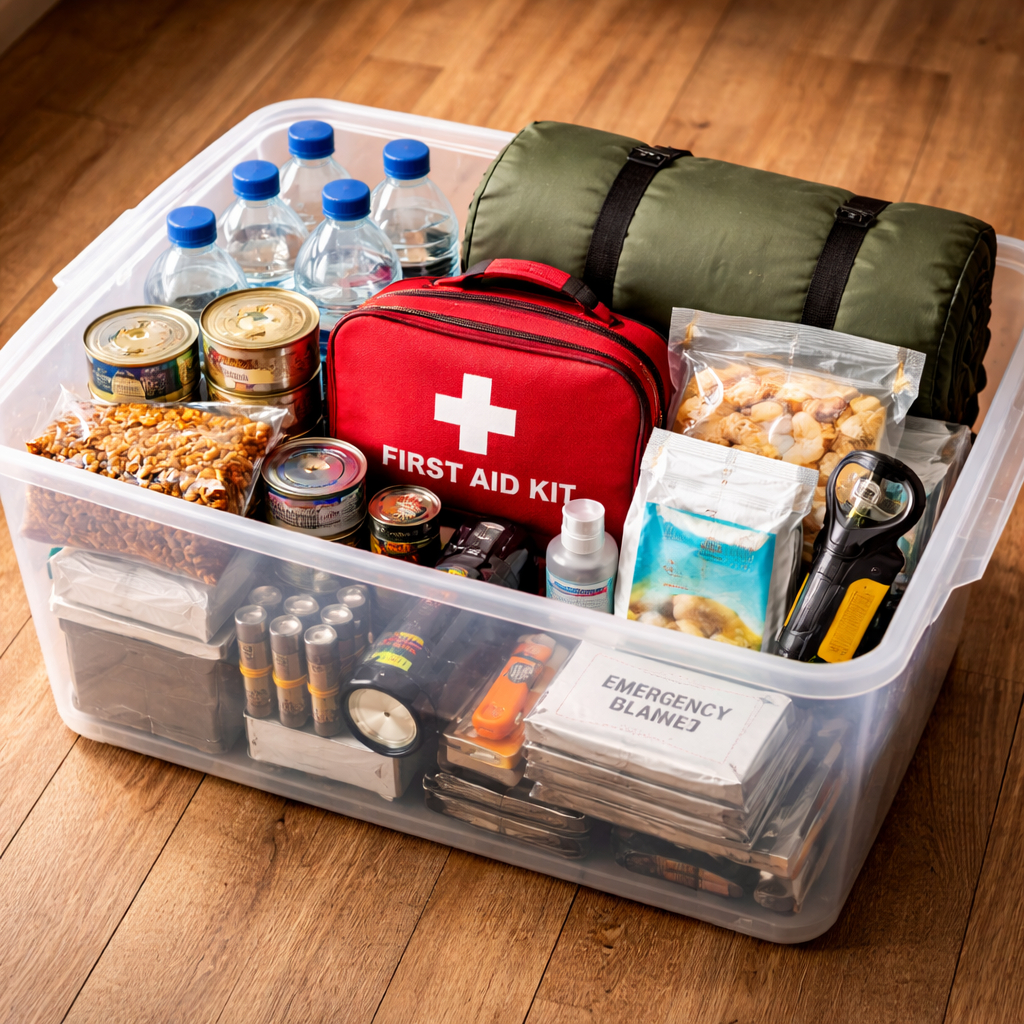
The best way to respond to a tornado warning is to prepare before one ever happens.
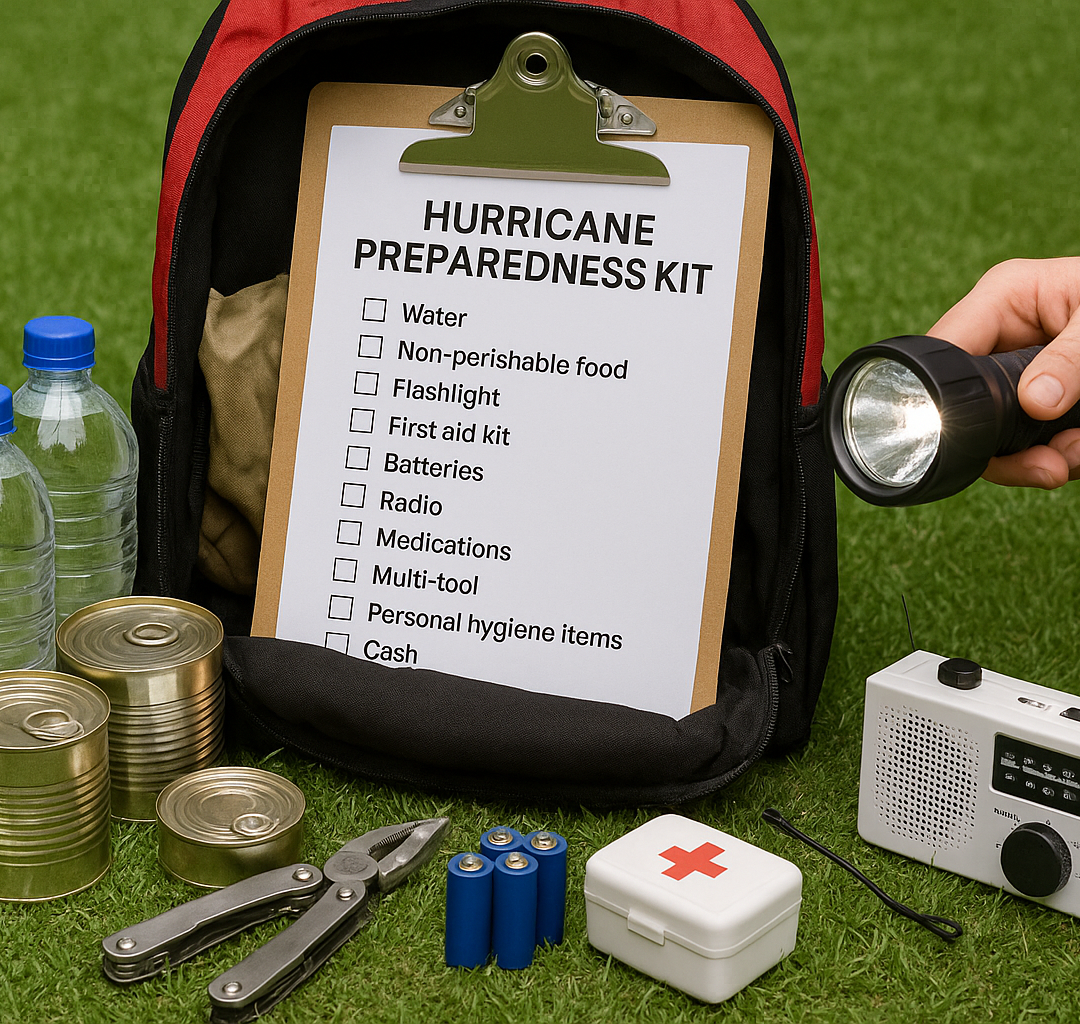
That’s why understanding tornado watch vs warning should be part of a larger severe weather readiness plan that includes building a tornado preparedness plan, knowing where you and your family will shelter during a tornado, and packing a go-bag and emergency preparedness kit.
Preparedness doesn’t eliminate the risk—but it can reduce the chaos when severe weather hits.
The Bottom Line on Tornado Watch vs Warning
As tornado season ramps up in many parts of the country, understanding severe weather alerts can help families make faster, safer decisions.
The difference between tornado watch vs warning is simple, but critical:
- Tornado watch: Tornadoes are possible. Be prepared.
- Tornado warning: A tornado is happening or imminent. Take action now.
For Team Rubicon, readiness is a core part of resilience. Whether communities are preparing for impact or beginning recovery after a storm, knowing what an alert means—and what to do next—can help save lives before disaster strikes. Because when the warning comes, every second matters.