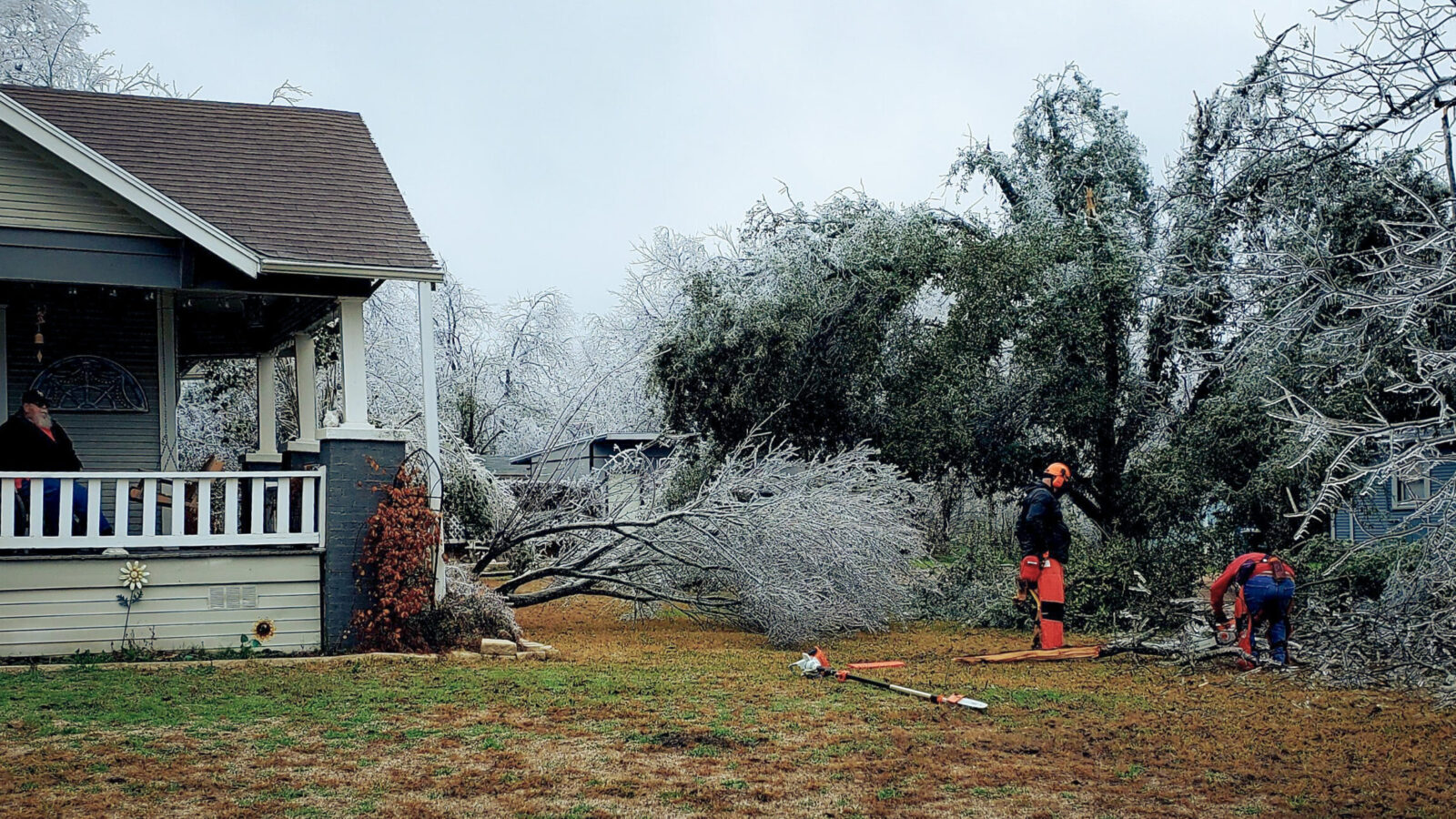
As Winter Storm Fern bears down on the South, Midwest, and East Coast, disaster relief nonprofit Team Rubicon is preparing to respond to the storm’s aftermath, with a focus on vulnerable communities that may face prolonged power outages combined with extreme cold from the dangerously low temperatures Winter Storm Fern is expected to bring with it.
Winter storm forecasts indicate that beginning Friday, more than 180 million people could be impacted by the winter storm this weekend, including residents in Dallas, Houston, Oklahoma City, St. Louis, Nashville, Atlanta, Charlotte, Raleigh, Washington, D.C., New York City, and more. Heavy snow, widespread ice, and extreme cold are expected to create hazardous conditions across a broad swath of the country.
Preparing for a Complex Winter Response
In anticipation of the weekend storm, Team Rubicon has stood up a virtual Emergency Operations Center, or EOC, to coordinate planning, information sharing, and potential response efforts across multiple regions.
“Winter storms often create cascading challenges—downed power lines, burst water lines, impassable roads, and life-threatening cold,” says Team Rubicon Mission Support (Planning) Manager, Adam Martin. “Our focus right now is ensuring we can move quickly and safely to support vulnerable communities once the storm passes.”
Team Rubicon is preparing for potential mobilization of Quick Reaction Forces (QRF’s) and response capabilities including, but not limited to chainsaw operations, damage and impact assessment, debris removal, point of distribution support, and local EOC augmentation. In support of this, leaders and volunteers are reviewing equipment caches and supplies at key logistics hubs, including the National Operations Center in Texas, the Team Operations Center in Chicago, and at facilities in Atlanta—and everywhere in between. Planners are assessing fuel, vehicles, chainsaws, generators, and cold-weather gear to ensure readiness to deploy teams in the hours after the storm.
Already, Team Rubicon has identified mission planning teams that will begin pivoting to regions and areas of focus as the storm hits. The organization is also pre-identifying reconnaissance volunteers in states forecasted to be hardest hit, ensuring teams can deploy quickly once conditions are safe.
Readying to Serve Vulnerable Communities in Winter Storm Fern’s Path
Perhaps most importantly, as Team Rubicon leaders track Winter Storm Fern, they’re overlaying its projected impact path with vulnerability data, so that volunteers are prepared to serve the communities with the least resources for recovery first.
“How we operationalize, with vulnerability in mind, is that while we may get five requests for assistance in a short span of time, we don’t necessarily need to take action on a first-come, first-served basis—especially if the first community has the resources to recover quickly on their own,” says Martin. “Rather, we’re deliberate about looking at social vulnerability and at community resiliency, and then choosing to deploy volunteers to the most at-risk communities where we will have the most impact.”
As part of its virtual EOC, Team Rubicon volunteers, known as Greyshirts, are also plugging in with state EOCS and opening up and maintaining lines of communication with county emergency managers to better identify areas of need as the impacts of the storm become known.
Storm Forecast Raises Concerns for Power and Safety
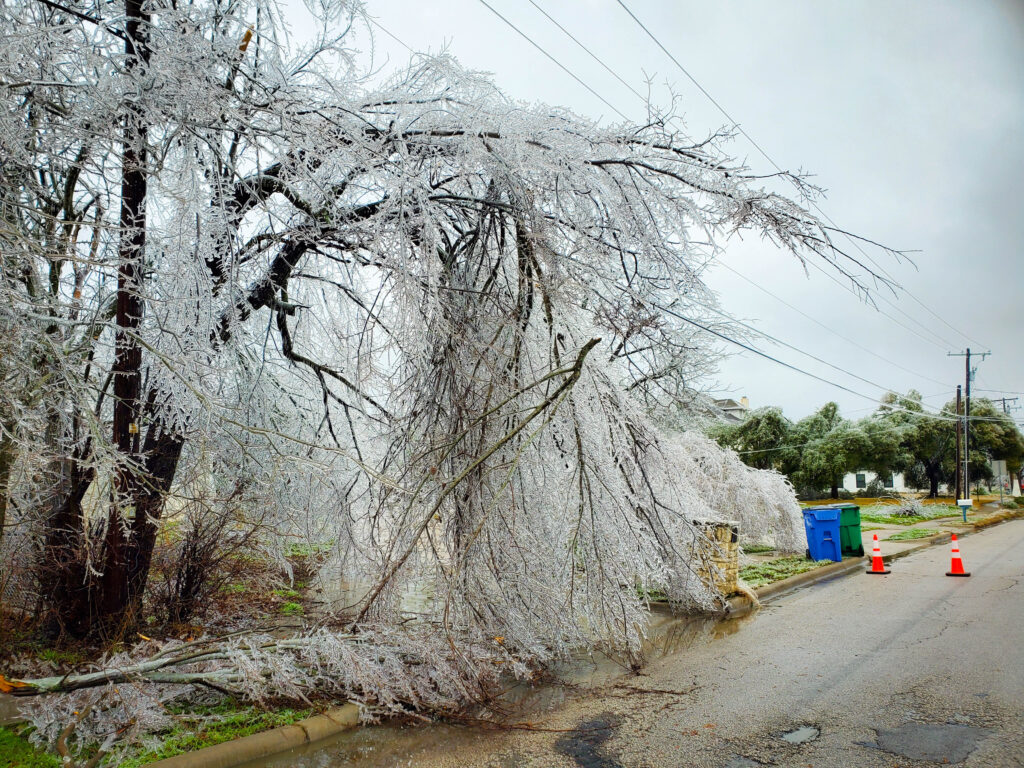
Early in the week of January 19, 2026, NOAA’s Weather Prediction Center began warning of a large and potentially historic winter storm expected to affect the eastern two-thirds of the United States from January 23 to 27. As of January 22, 2026, the National Weather Service was predicting widespread freezing rain and sleet could cripple portions of the Southern Plains and Lower Mississippi Valley on Friday, with significant and damaging ice accumulations likely and the potential for long-duration power outages, extensive tree damage, and extremely dangerous or impassable travel conditions. Dangerous ice and sleet impacts are expected to shift east into parts of the Southeast, Tennessee Valley and Mid-Atlantic over the weekend.
Forecasts include:
- Life-threatening wind chills as low as –50°F in the Northern Plains
- Sub-zero wind chills across parts of the Southern Plains and Mid-Atlantic
- Extraordinarily cold temperatures extending as far south as the Florida Panhandle
- Heavy snowfall around the Great Lakes and into New England
- Freezing rain and ice accumulation from western Texas through the Mid-South and into the Coastal Carolinas
The combination of ice, snow, and extreme cold is expected to increase the risk of long-duration power outages, downed trees, and dangerous travel conditions, particularly in areas unaccustomed to prolonged winter weather.
Identifying Access and Logistics Challenges and Readying to Respond After the Storm
As part of its preparedness efforts in advance of Winter Storm Fern, Team Rubicon is also analyzing potential challenges to moving supplies and vehicles into affected areas. Ice-covered roads, closed highways, and widespread outages could complicate logistics, making early planning essential.

While Team Rubicon does not deploy volunteers into active storm conditions, the organization prepares to mobilize after the storm passes, when it is safe to do so, to support local authorities and communities with needs such as debris removal, chainsaw operations, damage assessments, and assistance to vulnerable populations.
As forecasts continue to evolve, Team Rubicon will remain in close coordination with emergency management partners and will stand ready to respond where needs are greatest.
For communities in the storm’s path, the organization urges residents to heed local warnings, prepare for extreme cold, and check on neighbors—especially seniors and others who may be at higher risk during prolonged power outages.


